Marina Núñez


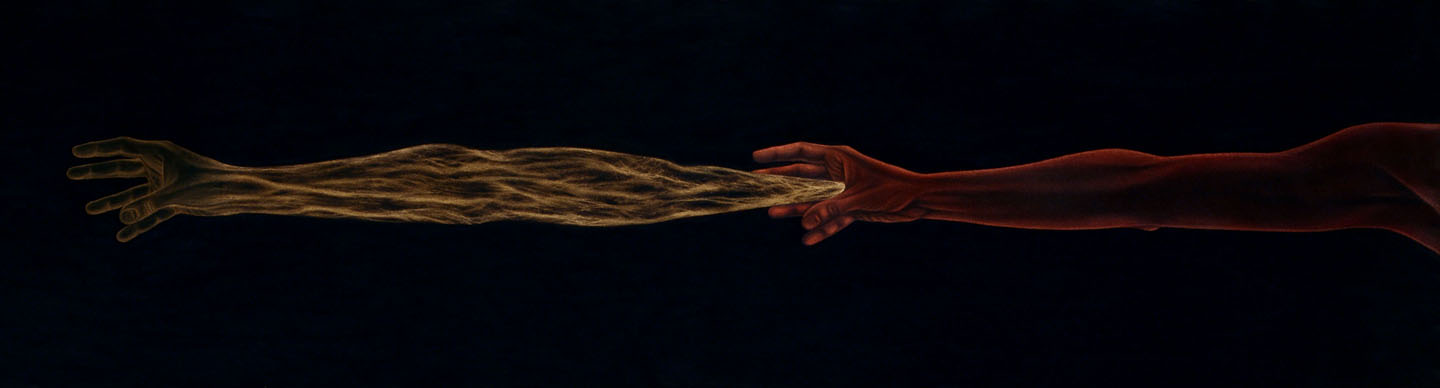

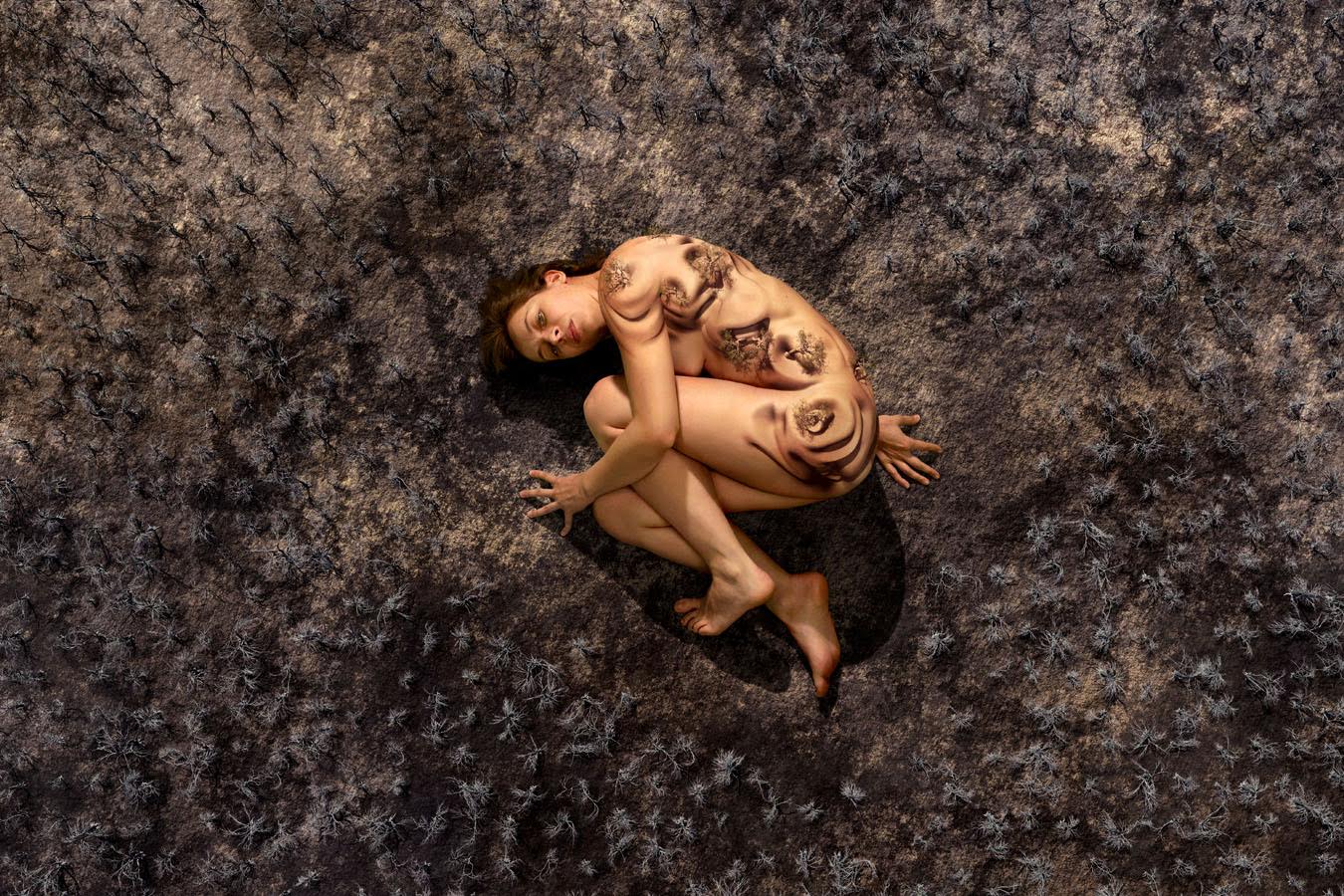
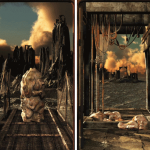
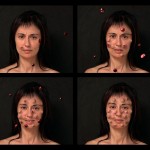
She was born and studied in Spain, lives in Madrid, and since 1989 has exhibited her work in Spain and internationally. Her early exhibitions featured objects with surrealist references, hyperrealist paintings on cloth, and drawings that prefigured her more recent work with digital mediums. In 1993 she produced a series of versions of faces from art-historical sources, painted on linen napkins. By the turn of the century her work had evolved into paintings combining oil and digital, paintings of neurons, light boxes with digital images and fluorescent painting requiring ultraviolet light. Throughout this period, and continuing up to the present, Núñez was deeply interested in the fundamental scientific, technological and philosophical concerns surrounding the relationship between humans and machines. It is therefore not surprising that her works relates directly to these issues, developing in conjuntion with the emerging field of “tecnhoscience”, which denies the historical separation between science (as theory) and technology (as practice), and by extension the distinctions between nature and society, natural and artificial, organic and inorganic. She has exhibited individually in public centers like: Espacio Uno del Reina Sofía (1997), La Gallera de la Comunidad Valenciana (1998), la Fundación Pilar y Joan Miró en Palma de Mallorca (2000), la Iglesia de Verónicas en Murcia (2001), el DA2 de Salamanca (2002), la Casa de América en Madrid (2004), el Instituto Cervantes en París (2006), La Panera en Lleida (2008), el Musac en León (2009), el Centre del Carme en Valencia (2010), la Sala Rekalde en Bilbao (2011), el Patio Herreriano en Valladolid (2012) o la Sala Alcalá 31 de la Comunidad de Madrid (2015).
She was born and studied in Spain, lives in Madrid, and since 1989 has exhibited her work in Spain and internationally. Her early exhibitions featured objects with surrealist references, hyperrealist paintings on cloth, and drawings that prefigured her more recent work with digital mediums. In 1993 she produced a series of versions of faces from art-historical sources, painted on linen napkins. By the turn of the century her work had evolved into paintings combining oil and digital, paintings of neurons, light boxes with digital images and fluorescent painting requiring ultraviolet light. Throughout this period, and continuing up to the present, Núñez was deeply interested in the fundamental scientific, technological and philosophical concerns surrounding the relationship between humans and machines. It is therefore not surprising that her works relates directly to these issues, developing in conjuntion with the emerging field of “tecnhoscience”, which denies the historical separation between science (as theory) and technology (as practice), and by extension the distinctions between nature and society, natural and artificial, organic and inorganic. She has exhibited individually in public centers like: Espacio Uno del Reina Sofía (1997), La Gallera de la Comunidad Valenciana (1998), la Fundación Pilar y Joan Miró en Palma de Mallorca (2000), la Iglesia de Verónicas en Murcia (2001), el DA2 de Salamanca (2002), la Casa de América en Madrid (2004), el Instituto Cervantes en París (2006), La Panera en Lleida (2008), el Musac en León (2009), el Centre del Carme en Valencia (2010), la Sala Rekalde en Bilbao (2011), el Patio Herreriano en Valladolid (2012) o la Sala Alcalá 31 de la Comunidad de Madrid (2015).
Regarding to group exhibitions, we can higlight “Transgenéric@s” (1998, Koldo Mitxelena Kulturnea, San Sebastián), “La realidad y el deseo” (1999, Fundación Miró, Barcelona), “Zona F” (2000, Espai d´Art Contemporani de Castelló), “I Bienal Internacional de Arte” (2000, Museo Nacional de Bellas Artes, Buenos Aires), “Ofelias y Ulises.En torno al arte español contemporáneo” (2001, Antichi Granei, Giudecca, Venecia), “Big Sur. Neue Spanische Kunst” (2002, Hamburger Banhof, Berlín), “Pain; passion, compassion, sensibility” (2004, Science Museum, Londres), “Posthumous choreographies” (2005, White Box, Nueva York), “Identidades críticas” (2006, Patio Herreriano, Valladolid), “Pintura mutante” (2007, MARCO, Vigo), “Banquete (nodos y redes)” (2009, Laboral, Gijón, y 2010, ZKM, Karlsruhe, Alemania), “Skin”, Wellcome Collection, Londres (2010), “Genealogías feministas en el arte español: 1960-2010″, (2012, Musac, León), “Monstruo. Historias, promesas y derivas” (2013, Fundación Chirivella Soriano, Valencia), “La imagen fantástica” (2014, Sala Kubo-kutxa, San Sebastián), “Gender in art” (2015, MOCAK, Museum of Contemporrary Art in Krakow, Polonia). Su obra figura en colecciones de varias instituciones, entre las que se encuentran el Museo Nacional Centro de Arte Reina Sofía, el Artium de Vitoria, el MUSAC de León, el Patio Herreriano de Valladolid, la Panera de Lleida, el TEA de Tenerife, el CAAM de Las Palmas, Es Baluard de Palma de Mallorca, la Fundación La Caixa, la Fundación Botín, el MAC de La Coruña, el CAB de Burgos, el FRAC Corse, o la Corcoran Gallery of Art, Washington, DC. Actualmente reside entre Madrid y Pontevedra, y es profesora en la Facultad de Bellas Artes de la Universidad de Vigo.
Regarding to group exhibitions, we can higlight “Transgenéric@s” (1998, Koldo Mitxelena Kulturnea, San Sebastián), “La realidad y el deseo” (1999, Fundación Miró, Barcelona), “Zona F” (2000, Espai d´Art Contemporani de Castelló), “I Bienal Internacional de Arte” (2000, Museo Nacional de Bellas Artes, Buenos Aires), “Ofelias y Ulises.En torno al arte español contemporáneo” (2001, Antichi Granei, Giudecca, Venecia), “Big Sur. Neue Spanische Kunst” (2002, Hamburger Banhof, Berlín), “Pain; passion, compassion, sensibility” (2004, Science Museum, Londres), “Posthumous choreographies” (2005, White Box, Nueva York), “Identidades críticas” (2006, Patio Herreriano, Valladolid), “Pintura mutante” (2007, MARCO, Vigo), “Banquete (nodos y redes)” (2009, Laboral, Gijón, y 2010, ZKM, Karlsruhe, Alemania), “Skin”, Wellcome Collection, Londres (2010), “Genealogías feministas en el arte español: 1960-2010″, (2012, Musac, León), “Monstruo. Historias, promesas y derivas” (2013, Fundación Chirivella Soriano, Valencia), “La imagen fantástica” (2014, Sala Kubo-kutxa, San Sebastián), “Gender in art” (2015, MOCAK, Museum of Contemporrary Art in Krakow, Polonia). Su obra figura en colecciones de varias instituciones, entre las que se encuentran el Museo Nacional Centro de Arte Reina Sofía, el Artium de Vitoria, el MUSAC de León, el Patio Herreriano de Valladolid, la Panera de Lleida, el TEA de Tenerife, el CAAM de Las Palmas, Es Baluard de Palma de Mallorca, la Fundación La Caixa, la Fundación Botín, el MAC de La Coruña, el CAB de Burgos, el FRAC Corse, o la Corcoran Gallery of Art, Washington, DC. Actualmente reside entre Madrid y Pontevedra, y es profesora en la Facultad de Bellas Artes de la Universidad de Vigo.